
Walkup, Melodia, Kelly & Schoenberger provides confidential, trauma-informed civil representation for victims across California, helping survivors and families pursue claims against abusive staff members, caregivers, residents, contractors, and the nursing homes, rehabilitation centers, and long-term care facilities that failed to protect vulnerable residents from sexual abuse.
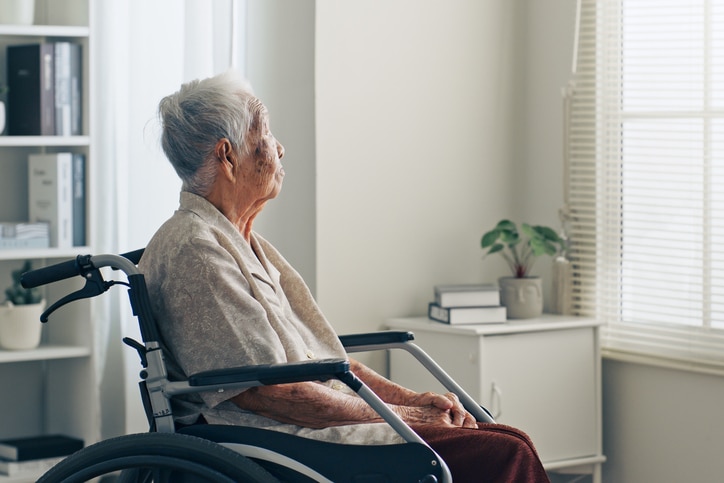
When Sexual Abuse Happens in a Nursing Home
Nursing home sexual abuse cases are uniquely disturbing because they often involve people who are elderly, disabled, medically fragile, cognitively impaired, or dependent on others for daily care. Families place loved ones in nursing homes because they expect trained staff, proper supervision, and safe living conditions. When abuse happens there, the core question is often not only what one wrongdoer did, but how a facility allowed a vulnerable resident to be placed in danger.
These cases may involve abuse by staff members, aides, nurses, contractors, visitors, or even other residents in a setting where the facility had a duty to supervise, monitor, screen, investigate, and protect. In many situations, sexual abuse happens alongside broader warning signs such as understaffing, poor training, ignored complaints, weak supervision, or failures to separate high-risk individuals from vulnerable residents.
We work with survivors and families to examine what happened, preserve essential evidence, and pursue accountability in a careful, thoughtful way.
Why Nursing Home Residents Can Be Especially Vulnerable
Many nursing home residents rely on staff for bathing, toileting, dressing, medication, transportation, transfers, and other intimate daily tasks. That dependence can make it easier for an abuser to gain access and harder for the resident to resist, report, or be believed.
Some residents also live with dementia, memory loss, communication impairments, mobility limitations, or serious medical conditions. That does not make their reports less important. It makes the facility’s duty to supervise and protect more important. California’s Long-Term Care Ombudsman explains that residents have the right to be free from verbal, sexual, physical, and mental abuse, as well as involuntary seclusion, and those rights are a core part of nursing-home accountability. See California’s Residents’ Rights in long-term care.
Physical and Behavioral Red Flags of Sexual Abuse in a Nursing Home
Sexual abuse in a nursing home is often discovered through warning signs rather than a clear report. Many residents live with dementia, communication limitations, mobility problems, hearing loss, medication-related confusion, or fear of retaliation from staff. That means families may first notice that something feels wrong before they know exactly what happened.
Physical red flags may include:
- bruising around the breasts, thighs, buttocks, or genital area
- torn, stained, or missing underclothing
- unexplained bleeding, irritation, or pain in intimate areas
- sudden difficulty sitting, walking, or tolerating personal care
- sexually transmitted infections
- unexplained sedation or medication changes after an incident
- recurring injuries with vague or inconsistent explanations
Behavioral warning signs may include:
- sudden fear of a particular aide, nurse, roommate, or caregiver
- unusual agitation during bathing, toileting, dressing, or transfers
- withdrawal, depression, panic, or tearfulness
- changes in sleep, appetite, or communication
- increased confusion after contact with a specific person
- refusing care from certain staff members
- new sexualized behavior or distress that seems out of character
- statements that seem fragmented, incomplete, or initially hard to understand
In some cases, the resident may not be able to give a full verbal disclosure. That does not make the abuse less real. Nursing home sexual abuse cases often depend on patterns, physical symptoms, care records, staff behavior, roommate issues, prior complaints, and whether the facility took warning signs seriously. See the Elder Abuse and Dependent Adult Civil Protection Act for more information.
Why Nursing Home Sexual Abuse Is Often Missed or Minimized
Nursing home sexual abuse cases are different from many other abuse claims because the resident may be elderly, medically fragile, dependent on caregivers, or living with cognitive decline. Facilities sometimes dismiss warning signs by blaming dementia, confusion, memory loss, medication effects, or “resident behavior” instead of asking whether abuse occurred.
That is one reason these cases require close scrutiny. A resident may be unable to call for help, describe what happened clearly, or protect themselves from a staff member or another resident. Families are often the first people to recognize that a loved one’s behavior, physical condition, or emotional state changed after contact with a particular caregiver or roommate.
These cases may involve:
- abuse by staff during bathing, toileting, dressing, or transfers
- abuse during nighttime hours or understaffed shifts
- resident-on-resident sexual assault where the facility knew one resident posed a risk
- misuse of privacy, isolation, or medical vulnerability
- ignored complaints from family members or other staff
- incident reports that are missing, incomplete, or inconsistent
What Conduct Can Support a California Nursing Home Sexual Abuse Lawsuit?
Nursing home sexual abuse can take many forms. It may involve sexual assault, unwanted sexual touching, sexual coercion, harassment, forced nudity, exploitation, or other sexual conduct imposed on a resident who did not or could not consent.
California’s official long-term-care abuse materials state that sexual abuse includes sexual contact, sexual harassment, sexual coercion, and sexual assault, and that there should never be sexual contact between a staff member and residents. See California’s nursing home abuse guidance.
What matters is whether the resident suffered harm and whether a person or facility can be held legally accountable.
Warning Signs Families Should Take Seriously
In many nursing home sexual abuse cases, the resident may not be able to clearly describe what happened. The warning signs may be physical, emotional, behavioral, or circumstantial.
Warning signs may include:
- unexplained bruising, bleeding, or genital injury
- sudden fear of a staff member, roommate, or caregiver
- withdrawal, anxiety, agitation, or depression
- unusual resistance to bathing, toileting, or care routines
- changes in sleep, eating, or behavior
- torn clothing or missing undergarments
- sexually transmitted infections or unexplained medical findings
- sedation, confusion, or isolation after an incident
- reports that feel inconsistent, incomplete, or evasive
- prior complaints that were minimized or ignored
For families trying to understand elder abuse warning signs and reporting options, California’s Elder Abuse and Neglect resources and Long-Term Care Ombudsman reporting page are strong starting points.
Civil Lawsuits and Criminal Cases Are Different
A criminal case is pursued by the government and focuses on punishment. A civil case allows survivors and families to seek accountability and financial recovery from the abuser and, where appropriate, from the nursing home or long-term care facility that failed to protect the resident.
A civil claim may still exist even if no criminal charges were filed or no conviction occurred. That matters because vulnerable residents may struggle to report abuse clearly, and facilities sometimes downplay, mischaracterize, or fail to document what happened until outside investigation begins.
Time Limits and Elder Abuse Claims in California
Timing rules are important, and families should not wait to get legal guidance. Nursing home sexual abuse cases may involve California elder-abuse law, negligence law, wrongful-death issues, and fact-specific evidence questions that depend on the resident’s condition, the type of facility, and what happened after the abuse.
California’s elder-abuse framework is set out in the Elder Abuse and Dependent Adult Civil Protection Act, which reflects the state’s policy of protecting elders and dependent adults from abuse and neglect. Because the legal analysis in these cases is highly fact-specific, the safest approach is a confidential legal review as soon as abuse is suspected.
Where Families Can Report Nursing Home Sexual Abuse
If the abuse happened in a nursing home, rehabilitation center, intermediate care facility, or adult day health care program, California directs families to contact the local Long-Term Care Ombudsman, the Ombudsman CRISISline, local law enforcement, and the appropriate California Department of Public Health district office. See California’s Report Elder Abuse or Neglect page. For facilities outside nursing homes, reporting pathways can differ, and Adult Protective Services may also be relevant in some settings. California’s Adult Protective Services page explains that APS helps elders 60 and older and dependent adults 18 to 59 who are disabled, though APS is generally not the primary reporting channel for abuse occurring inside long-term-care facilities.
What To Do if You Suspect a Loved One Was Sexually Abused in a Nursing Home
Safety comes first. If a resident may be in immediate danger, seek emergency help right away. If urgent medical care is needed, get it as soon as possible.
Families may also want to:
- make sure the resident is safe from further contact with the suspected abuser
- document injuries, behavior changes, and concerning statements
- preserve clothing, photographs, and communications
- write down names, dates, shift information, and witness details
- ask the facility to preserve records, video, and incident reports
- contact the Long-Term Care Ombudsman or law enforcement where appropriate
- avoid discussing the matter with the facility’s insurer before legal advice
- speak with a trauma-informed attorney about preserving civil options
Families looking for official reporting help can use the Long-Term Care Ombudsman CRISISline and reporting guidance.
How Lawyers Investigate Nursing Home Sexual Abuse Cases
Evidence in a nursing home sexual abuse case may include medical records, care notes, staffing schedules, assignment logs, incident reports, prior complaints, state survey or complaint records, witness statements, camera footage, internal communications, forensic evidence, and resident-care policies.
In many of these cases, the strongest evidence is in records families do not have and cannot obtain without legal action. Early investigation may help preserve staffing information, charting, complaint histories, video, and internal reports before they are lost or become harder to access.
Compensation Available in California Nursing Home Sexual Abuse Cases
A civil case is one of the main ways the legal system recognizes the full impact abuse can have on a resident and the resident’s family.
Depending on the facts, compensation may include:
- medical expenses
- psychological care or counseling
- pain and suffering
- emotional distress
- additional care needs
- relocation or transfer-related costs
- wrongful death damages in fatal cases
- other losses tied to the abuse and its aftermath
In some cases, a lawsuit may also expose broader facility failures and force a nursing home or corporate operator to answer for unsafe staffing, ignored complaints, weak supervision, or concealment.
Recent Sexual Abuse Case Results
$3.9 Million Settlement – Institutional Sexual Abuse Claim
Our client alleged sexual abuse tied to an institution that failed to protect a vulnerable person after warning signs were present. The defense argued the matter involved only one wrongdoer. Walkup focused on notice, supervision failures, and policy breakdowns. The matter resolved for $3.9 million.
$2 Million Settlement – Survivor Recovery After Sexual Abuse
In another sexual abuse matter, our client sought compensation for severe emotional harm and long-term care needs arising from abuse and institutional failure. The case required careful evidence development, privacy protections, and litigation planning designed to minimize retraumatization. The matter resolved for $2 million.
Past results do not guarantee a future outcome, but they reflect the level of investigation and institutional-liability analysis these cases often require.
The Trial Experience Behind Walkup’s Advocacy
Walkup, Melodia, Kelly & Schoenberger is a California trial firm founded in 1959. The firm is known for serious injury cases, complex plaintiff litigation, and high-stakes matters involving life-changing harm.
Families looking for counsel in nursing home sexual abuse cases should be able to see exactly who is handling the matter and why those attorneys are qualified to do so.
Frequently Asked Questions on Nursing Home Sexual Abuse
Can a nursing home be held responsible for sexual abuse of a resident?
Yes. A nursing home may be legally responsible if it failed to screen staff, ignored warning signs, failed to supervise residents or employees, or did not respond appropriately to complaints. Liability often turns on whether the facility knew or should have known about a risk and failed to take reasonable steps to prevent harm.
What are warning signs of sexual abuse in a nursing home resident?
Warning signs may include unexplained bruising, torn clothing, genital injuries, sudden fearfulness, withdrawal, anxiety, depression, changes in behavior, or resistance to certain staff members. In residents with dementia or communication limitations, signs may be subtle. Families should take any sudden behavioral or physical change seriously.
What should I do if I suspect sexual abuse in a California nursing home?
If you suspect abuse, protect the resident first and seek immediate medical attention if needed. You should also document what you observed, report the concern to the facility and appropriate authorities, and avoid assuming the issue will be handled internally. Early action can help preserve evidence and protect other residents.
Can residents with dementia or cognitive impairment be victims of sexual abuse?
Yes. Residents with dementia, Alzheimer’s disease, or other cognitive impairments are often at heightened risk because they may have trouble communicating what happened or resisting abuse. These cases frequently involve questions about supervision, staffing, reporting failures, and whether the facility provided safeguards appropriate to the resident’s condition.
Is there a deadline to file a nursing home sexual abuse claim in California?
California deadlines depend on the facts, the survivor’s condition, and the legal claims involved. Cases involving elder abuse, sexual assault, or institutional negligence can raise different timing issues, so it is important to speak with an attorney as soon as possible. Waiting too long can make it harder to preserve evidence and protect a legal claim.
Speak Confidentially with a California Nursing Home Sexual Abuse Lawyer
If you are ready to talk, you can contact Walkup confidentially by phone or through the online form. There is no fee unless we recover compensation for you. You do not need to have every record or every answer before reaching out.
Timing can matter in nursing home sexual abuse cases because medical records, staffing records, complaint files, video, and witness memories may become harder to preserve over time. A confidential consultation can help you understand whether you may have a claim and what next steps make sense for your family.


