
Walkup, Melodia, Kelly & Schoenberger provides confidential, trauma-informed civil representation for survivors and families across California, helping victims pursue claims against abusive pastors, priests, ministers, rabbis, youth pastors, worship leaders, elders, counselors, and other religious leaders who used their positions of trust to commit sexual abuse.
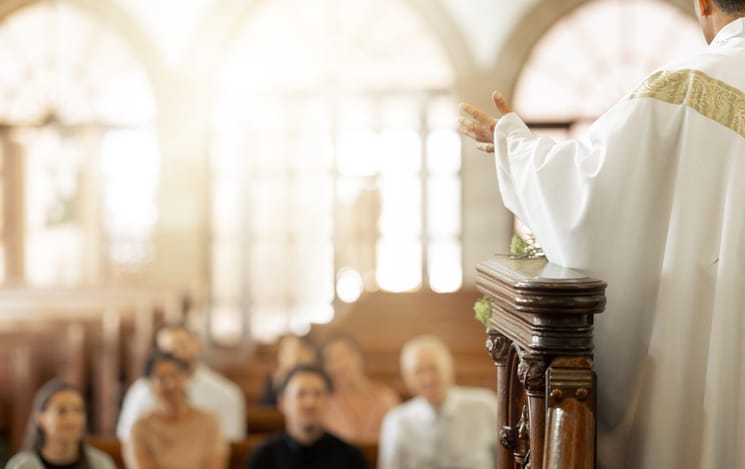
When a Religious Leader Uses Spiritual Authority to Abuse
Sexual abuse by a religious leader often involves authority, trust, and spiritual influence. A pastor, priest, minister, rabbi, youth pastor, or other leader may be seen as a moral guide, counselor, mentor, or protector. That authority can be used to gain access, create secrecy, and silence a child or family.
In many cases, the abuse does not begin with obvious force. It may begin with private counseling, extra attention, special mentorship, spiritual guidance, gifts, emotional dependence, or repeated one-on-one access. By the time a family realizes something is wrong, the leader may already have used religious authority to blur boundaries and make disclosure feel frightening, shameful, or disloyal.
We help survivors and families understand what happened, preserve evidence, and pursue accountability.
Why Abuse by Religious Leaders Can Be Especially Hard to Report
Children and families are often taught to trust religious leaders, seek guidance from them, and treat them with deep respect. That can make it harder to recognize grooming and even harder to report abuse once it begins. A child may fear not being believed. A parent may worry about community backlash. Survivors may carry shame, confusion, fear, and spiritual injury long after the abuse itself ends.
Some cases involve repeated access through counseling, confession-related settings, youth ministry, retreats, volunteer work, camps, religious education, or private mentoring. Others involve leaders who built a special role in a child’s life over time and used that role to isolate, pressure, or control the child.
How a Religious Leader May Be Held Civilly Liable
A civil case can be brought directly against the abusive religious leader. Often, California cases focus first on the pastor, priest, minister, youth leader, counselor, or other faith leader who committed the abuse.
Depending on the facts, a claim against the leader may involve:
- molestation
- unwanted sexual touching
- penetration
- grooming
- coercion
- sexual exploitation
- sexual recording or imaging
- abuse committed during counseling, ministry, mentoring, or private meetings
- repeated boundary violations that escalated into abuse
California’s child sexual assault statutes allow actions against the person who committed the assault, and in many situations, they also allow related claims against persons or entities whose wrongful or negligent conduct was a legal cause of it. For newer claims, see California Code of Civil Procedure section 340.1, and for many earlier claims, see California Code of Civil Procedure section 340.11.
What Makes Religious Leader Abuse Cases So Serious
Religious leaders often hold significant influence. They may counsel families during crises, guide children, lead youth activities, supervise retreats, and provide pastoral care. That authority can be used to present abusive conduct as guidance, care, discipline, prayer, or mentorship.
In some cases, the leader relied on secrecy and emotional dependence. In others, the leader used fear, guilt, or spiritual language to silence the child. These patterns help explain why abuse continues and why disclosure is often delayed.
Signs of Grooming by a Pastor, Priest, Minister, or Youth Leader
Warning signs in religious leader abuse cases can include:
- repeated private contact with one child
- special privileges or unusual favoritism
- gifts, secrecy, or exclusive mentorship
- private counseling sessions without safeguards
- texting or messaging outside approved channels
- rides, outings, or meetings away from normal supervision
- overnight retreat or camp access without proper oversight
- inappropriate touching framed as comfort, prayer, or guidance
- efforts to isolate the child from peers or parents
- spiritual pressure, guilt, or religious language used to demand secrecy
For families trying to better understand red flags, RAINN’s warning-sign guidance for parents and caregivers is a strong supplemental resource. RAINN also notes that child sexual abuse may involve grooming and can have long-term emotional and psychological effects.
When the Religious Organization May Also Be Responsible
While we often focus on the religious leader, the institution may also be liable. A church, diocese, ministry, religious school, camp, or faith-based program may face liability when it ignored complaints, failed to supervise, concealed misconduct, transferred a known abuser, or continued allowing access to children after warning signs appeared.
Depending on the facts, institutional liability may involve:
- negligent hiring
- negligent retention
- negligent supervision
- failure to investigate complaints
- failure to remove a leader after warning signs
- failure to document or escalate reports
- concealment of prior misconduct
- transferring the leader to another role or setting
- allowing unsafe one-on-one access to children
Civil Lawsuits and Criminal Cases Are Different
A criminal case is pursued by the government and focuses on punishment. A civil case allows survivors and families to seek accountability and financial recovery from the abuser and, where appropriate, from the institution that failed to protect the child. A civil claim may still exist even if no criminal charges were filed or no conviction occurred. That matters because children do not always disclose abuse immediately, and some institutions deny or minimize warning signs until evidence is uncovered through civil discovery.
Time Limits for California Religious Leader Sexual Abuse Claims
Timing rules matter, but do not assume you are out of time.
For childhood sexual assault occurring on or after January 1, 2024, California Code of Civil Procedure section 340.1 provides no time limit for many damages actions, including actions against the perpetrator and actions against a person or entity whose wrongful, negligent, or intentional acts were a legal cause of the assault. For assaults occurring before January 1, 2024, California Code of Civil Procedure section 340.11 provides the applicable rule for many claims, generally allowing suit within 22 years after the survivor reaches adulthood or within five years of later discovery of psychological injury, whichever is later.
Because religious leader abuse cases can involve delayed disclosure, institutional concealment, and fact-specific timing issues, the safest approach is a confidential legal review based on the particular facts.
Do Religious Leaders Have Reporting Duties in California?
Sometimes, yes, and the analysis can be sensitive. California law specifically addresses clergy in the mandated-reporter framework and states that a clergy member must report information obtained outside a penitential communication even if the clergy member also received related information during a penitential communication. Survivors and families can also review California’s Child Abuse Mandated Reporter Training for an official training resource.
What To Do if You Suspect a Religious Leader Abused a Child
Safety comes first. If a child may be in immediate danger, seek emergency help right away. If medical care is needed, get it as soon as possible.
Families may also want to:
- make sure the child is in a safe environment
- avoid repeatedly pressing the child for details
- preserve texts, emails, app messages, church or ministry communications, and photographs
- document dates, names, locations, and concerning incidents
- save bulletins, schedules, retreat materials, volunteer rosters, or messages that may show contact patterns
- avoid discussing the matter with the institution’s insurer or investigator before legal advice
- speak with a trauma-informed attorney about preserving civil options
Families looking for immediate support can review RAINN’s resources for survivors of child sexual abuse.
How Lawyers Build Cases Against Religious Leaders
Evidence in a religious leader sexual abuse case may include survivor testimony, parent observations, witness statements, counseling records, volunteer or staff records, prior complaints, internal reports, transfer records, retreat or camp records, digital messages, medical records, forensic interviews, and policy documents.
In these cases, the strongest evidence cannot be obtained without legal action. Early investigation helps preserve emails, texts, internal complaints, personnel records, and other documentation before it is lost or becomes harder to access.
Compensation Available in California Religious Leader Abuse Cases
A civil case is one of the main ways the legal system recognizes the full impact abuse can have on a child’s life and on an adult survivor’s future.
Depending on the facts, compensation may include:
- therapy and counseling
- psychiatric treatment
- medical expenses
- educational support needs
- lost income or diminished earning capacity
- pain and suffering
- emotional distress
- long-term treatment or support needs
In some cases, a lawsuit may also expose broader institutional failures and force religious organizations to answer for unsafe practices, ignored complaints, or concealment.
Recent Child Sexual Abuse Case Results
$3.9 Million Settlement – Institutional Child Sexual Abuse Claim
Our client alleged sexual abuse tied to an institution that failed to protect vulnerable children after warning signs were present. The defense argued the matter involved only one wrongdoer. Walkup focused on notice, supervision failures, and policy breakdowns. The matter was resolved for $3.9 million.
$2 Million Settlement – Survivor Recovery for Childhood Sexual Abuse
In another child sexual abuse matter, our client sought compensation for severe emotional harm and long-term treatment needs arising from abuse earlier in life. The case required careful evidence development, privacy protections, and litigation planning designed to minimize retraumatization. The matter was resolved for $2 million.
Past results do not guarantee a future outcome, but they reflect the level of investigation and institutional liability analysis these cases often require.
The Trial Experience Behind Walkup’s Advocacy
Walkup, Melodia, Kelly & Schoenberger is a California trial firm founded in 1959. The firm is known for serious injury cases, complex plaintiff litigation, and high-stakes matters involving life-changing harm.
Families looking for counsel in religious leader sexual abuse cases should be able to see exactly who is handling the matter and why those attorneys are qualified to do so.
Frequently Asked Questions on Religious Leader Sexual Abuse
Can I still bring a claim if no criminal charges were filed?
Yes. A civil case is separate from a criminal case, and survivors may still have civil options even if prosecutors never filed charges or no conviction occurred.
What if the religious organization also knew something was wrong?
The institution may also be part of the case if it ignored complaints, failed to supervise, concealed prior misconduct, or kept giving the leader access to children despite warning signs.
What evidence is used in a religious leader abuse case?
Evidence often includes survivor testimony, witness statements, counseling records, digital messages, prior complaints, internal reports, transfer records, medical records, forensic interviews, and policy documents.
Do clergy have reporting duties in California?
California law specifically addresses clergy in the mandated-reporter framework, including how information obtained outside penitential communication must be handled.
What should I do if I suspect my child was abused by a religious leader?
Start with safety. Make sure the child is safe, seek medical care if needed, preserve communications and records, document names and dates, and avoid speaking with the institution's insurer or investigator before getting legal advice.
Speak Confidentially with a California Religious Leader’s Sexual Abuse Attorney
If you are ready to talk, you can contact us confidentially by phone or by filling out the online form. We work on a contingency basis. That means there is no fee unless we recover compensation for you. You do not need to have every answer before reaching out.
Timing matters in religious leader abuse cases because digital communications, counseling records, internal complaints, and witness memories become harder to preserve over time. A confidential consultation can help you understand whether you may have a claim and what next steps make sense for your family.


